Structural Examinations
Specialising in Bridges, Culverts, Wells, Retaining Walls and Tunnels (STE02,STE04, STE06).

Eleusis Ltd. brings together an adept management team boasting a collective experience of over 80 years in the Railway Engineering and infrastructure industry; Positioning us as a one-stop shop for railway and infrastructure engineering needs.
Eleusis Ltd. brings together an adept management team boasting a collective experience of over 80 years in the Railway Engineering and infrastructure industry; Positioning us as a one-stop shop for railway and infrastructure engineering needs.
Eleusis Ltd. offers an extensive range of services. These services include structural examinations, multi-disciplinary surveys, testing, and monitoring to ensure the optimal performance and safety of railway and other key infrastructure.
In addition, Eleusis Ltd. provides a comprehensive suite of drainage surveys and repair services, designed to tackle complex drainage issues efficiently. Leveraging deep industry knowledge and cutting-edge technologies, the company aims to deliver high-quality, reliable solutions to its clients.
Tactile, detailed and defensible structures examinations across rail and highways.
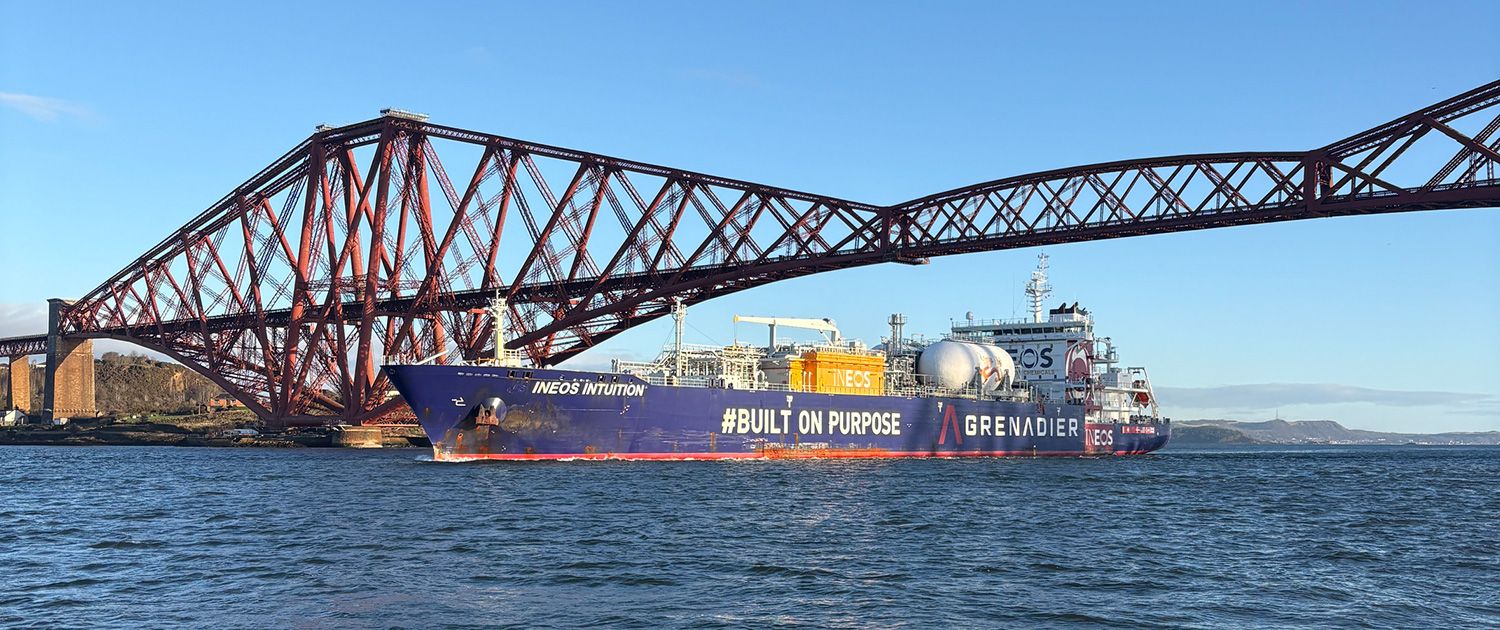
An examination is only as valuable as the engineering judgement applied to its findings.
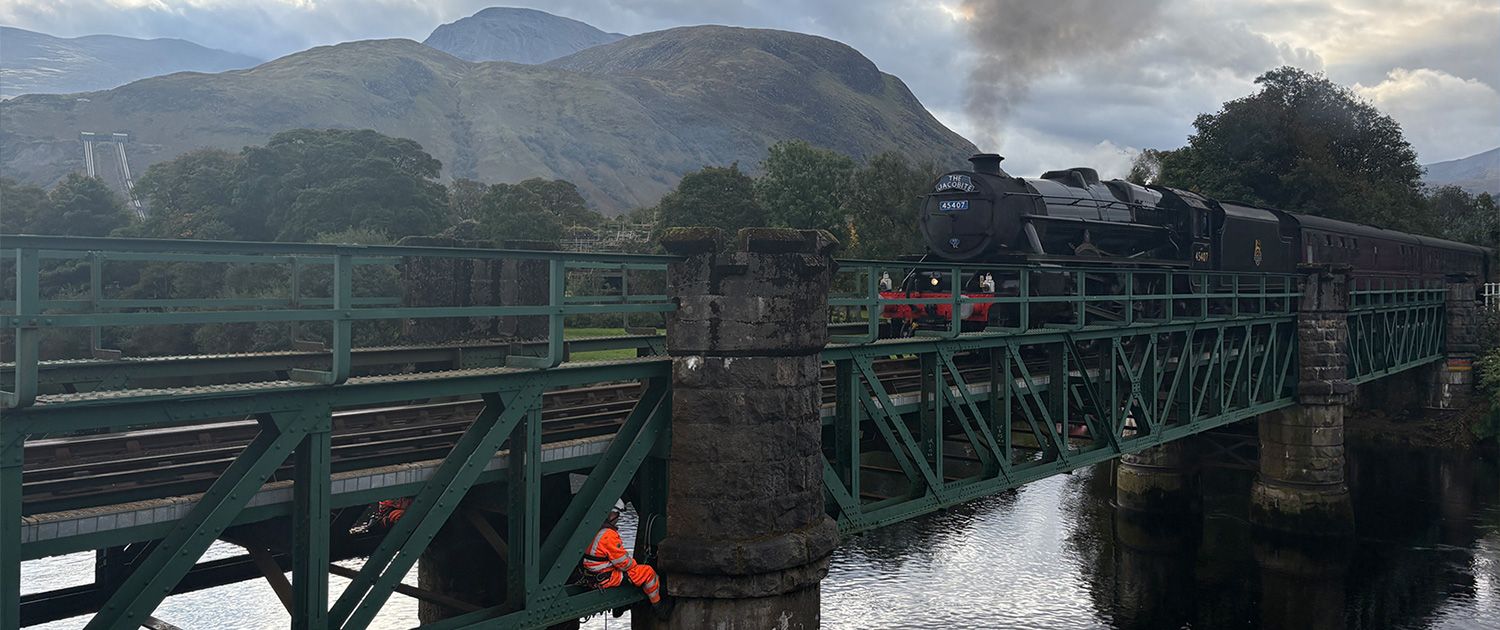
The detailed examination is where defects are found, recorded and triaged.
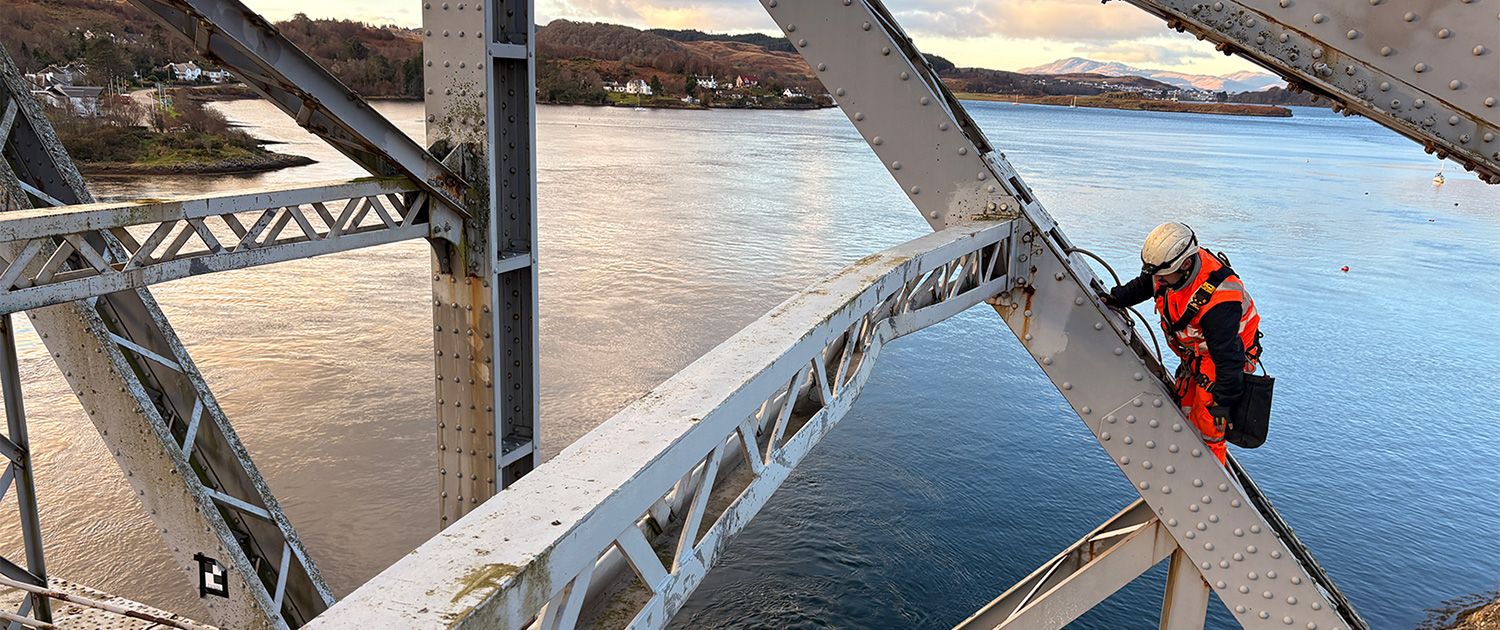
Highway structures live under the same scrutiny as rail; they just answer to a different standard.
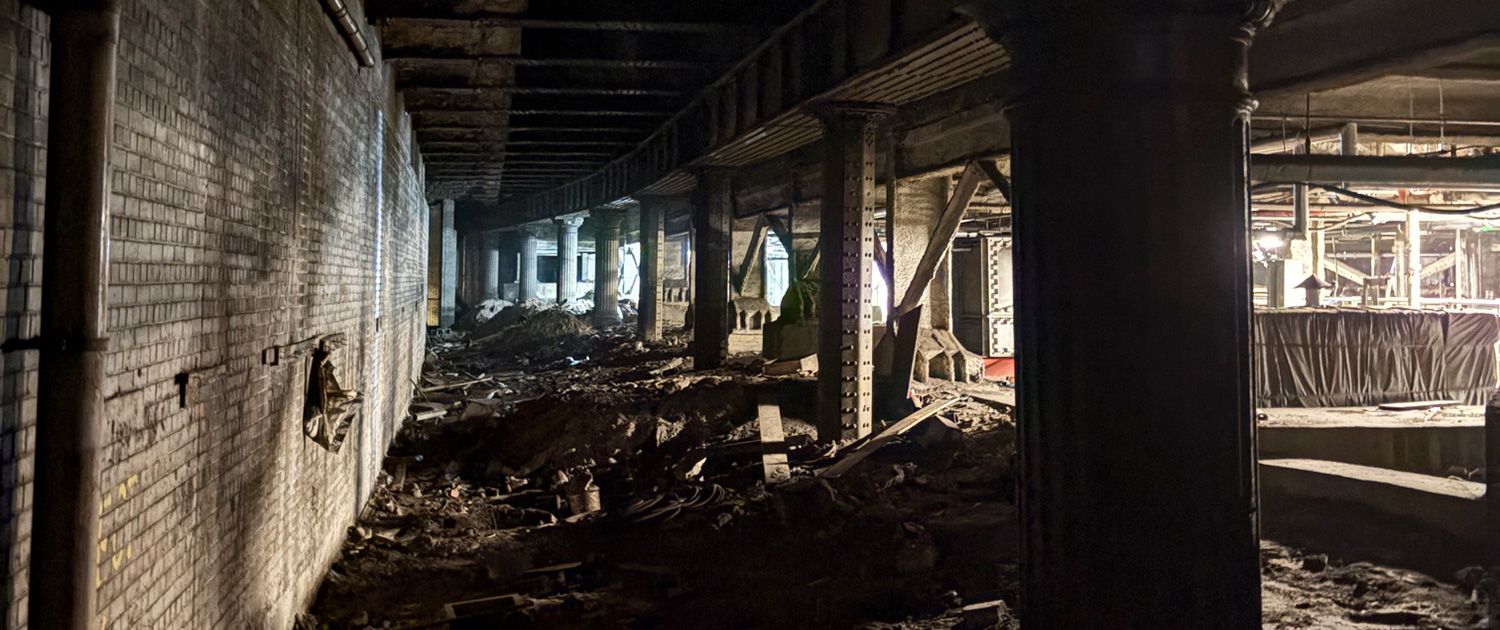
Railway buildings wear in ways that bridges and culverts don’t.
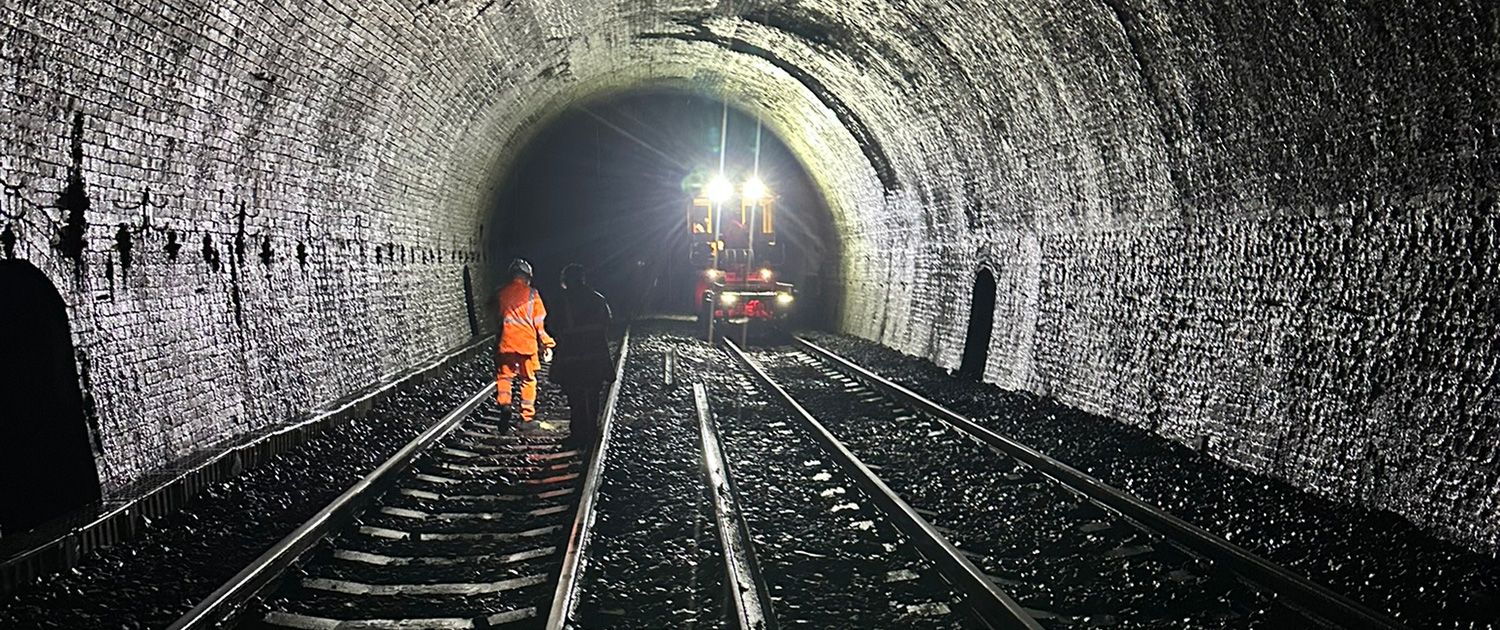
Tunnels and shafts are unforgiving assets: restricted access, limited possession time, complex defect modes.
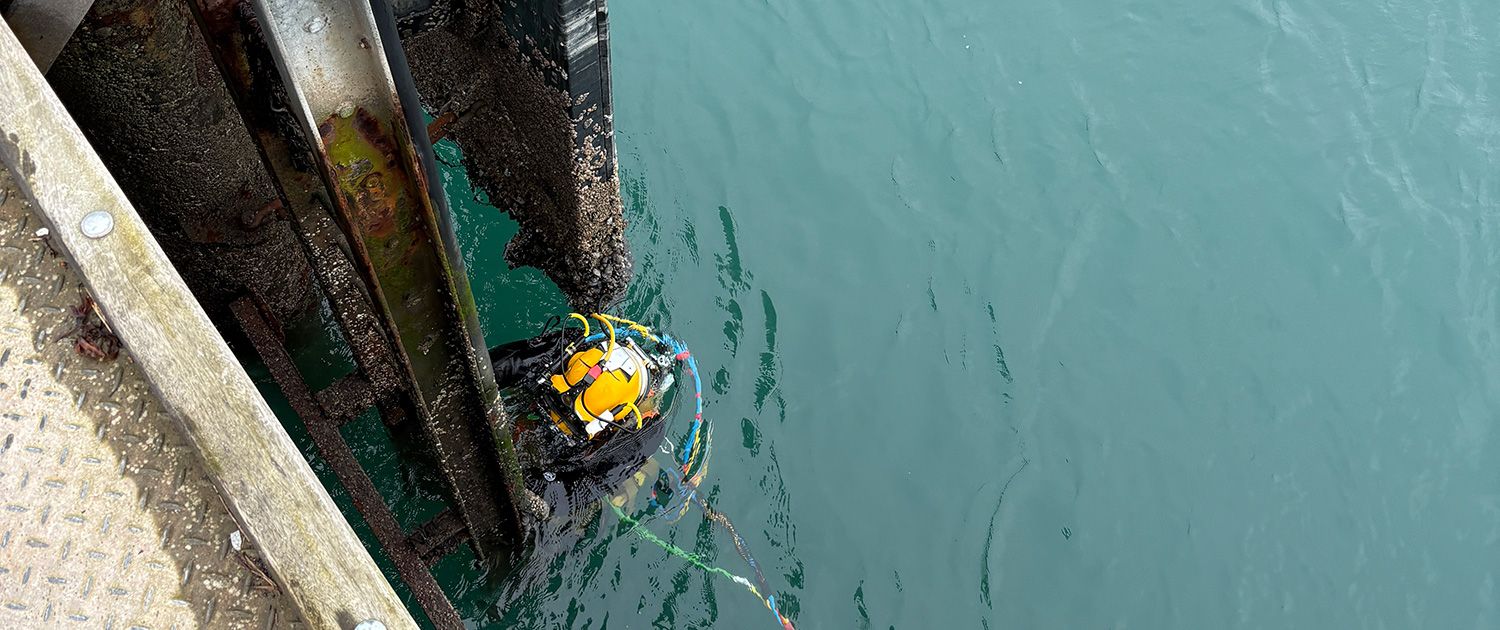
When a structure sits below the waterline, the evidence you act on is only as good as the people in the water.
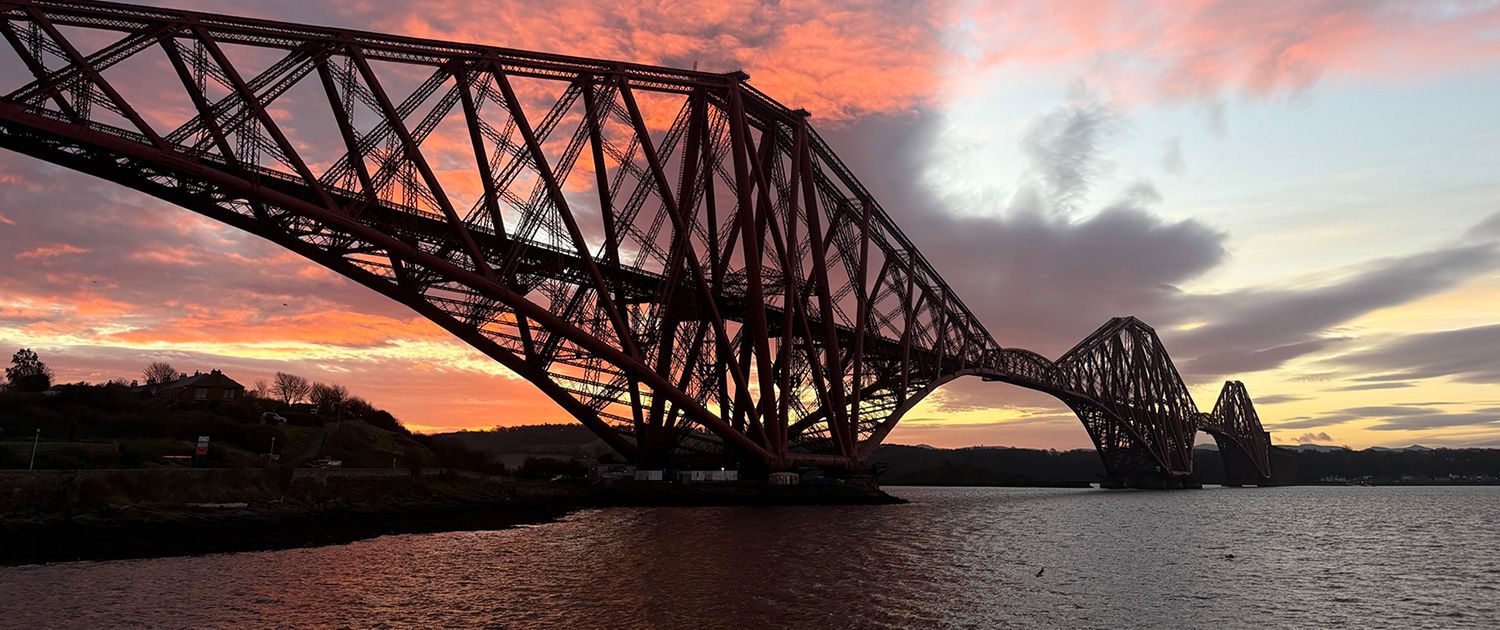
Finding the defect is one thing. Designing the fix, getting it through Network Rail engineering acceptance and handing the contractor a buildable solution is another.
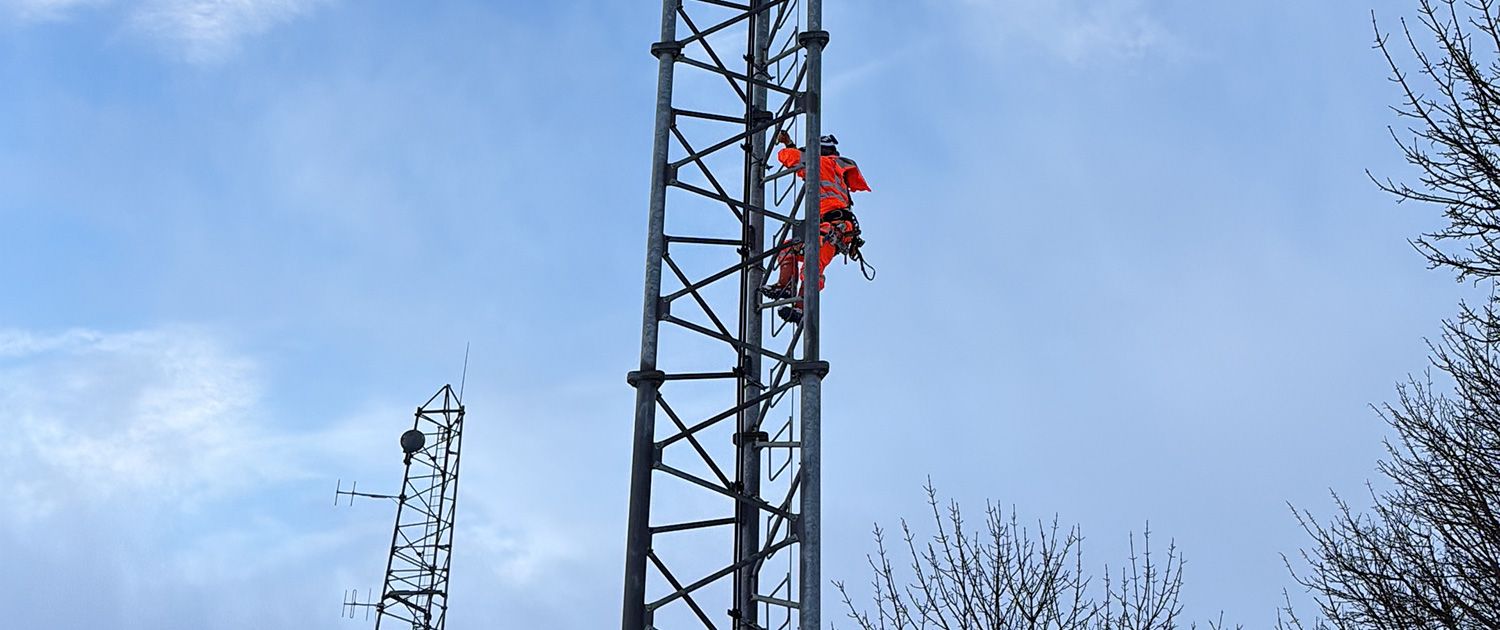
Most structures examinations end in the air: at the top of a viaduct pier, hanging under a soffit, on the lining of a tunnel.
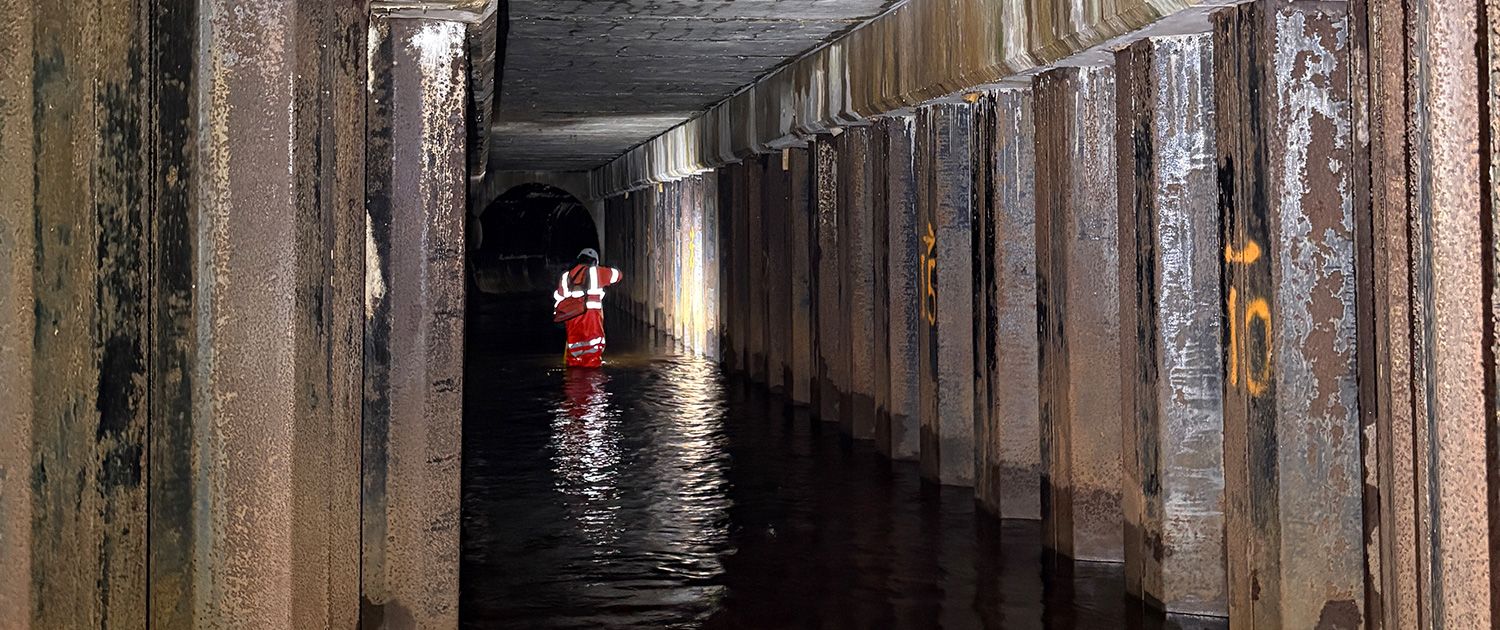
Most confined-space contractors operate at the low-risk end of the spectrum.
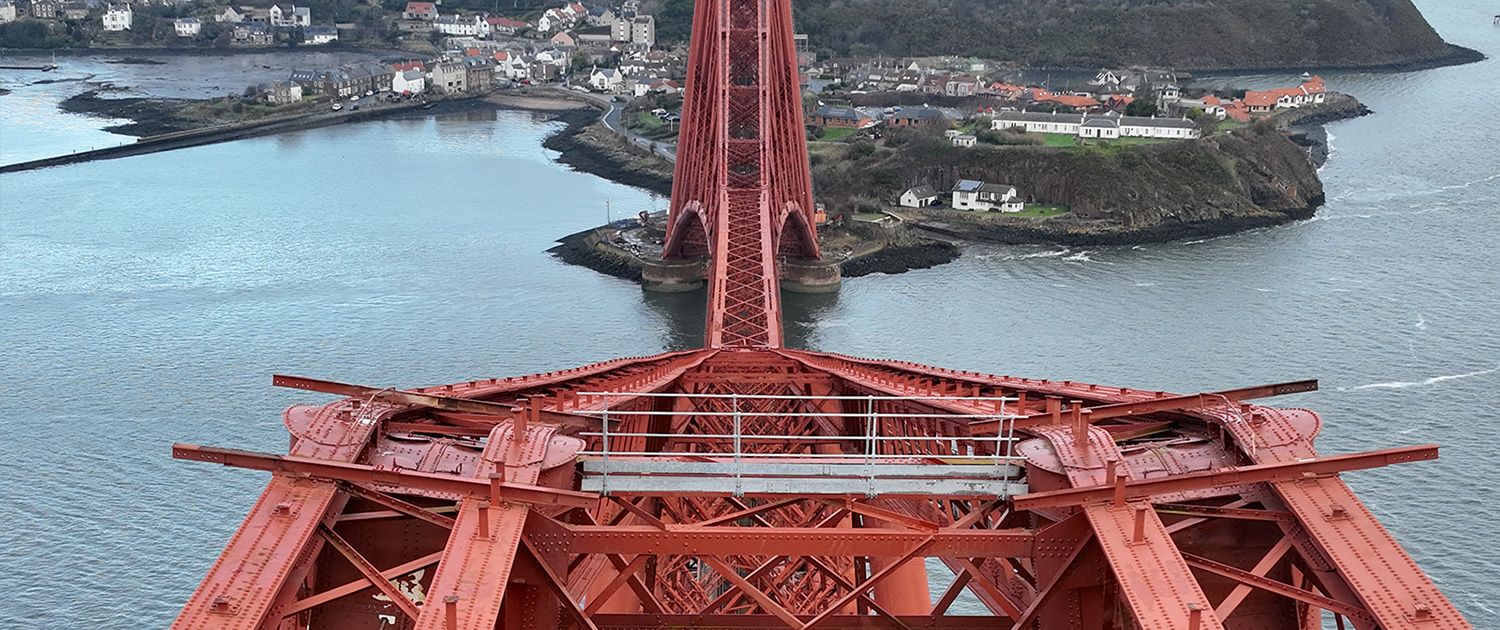
When access is impossible, the asset is offline, or the data has to be survey-grade, drones change what is possible.

Every asset decision starts with the right base data.
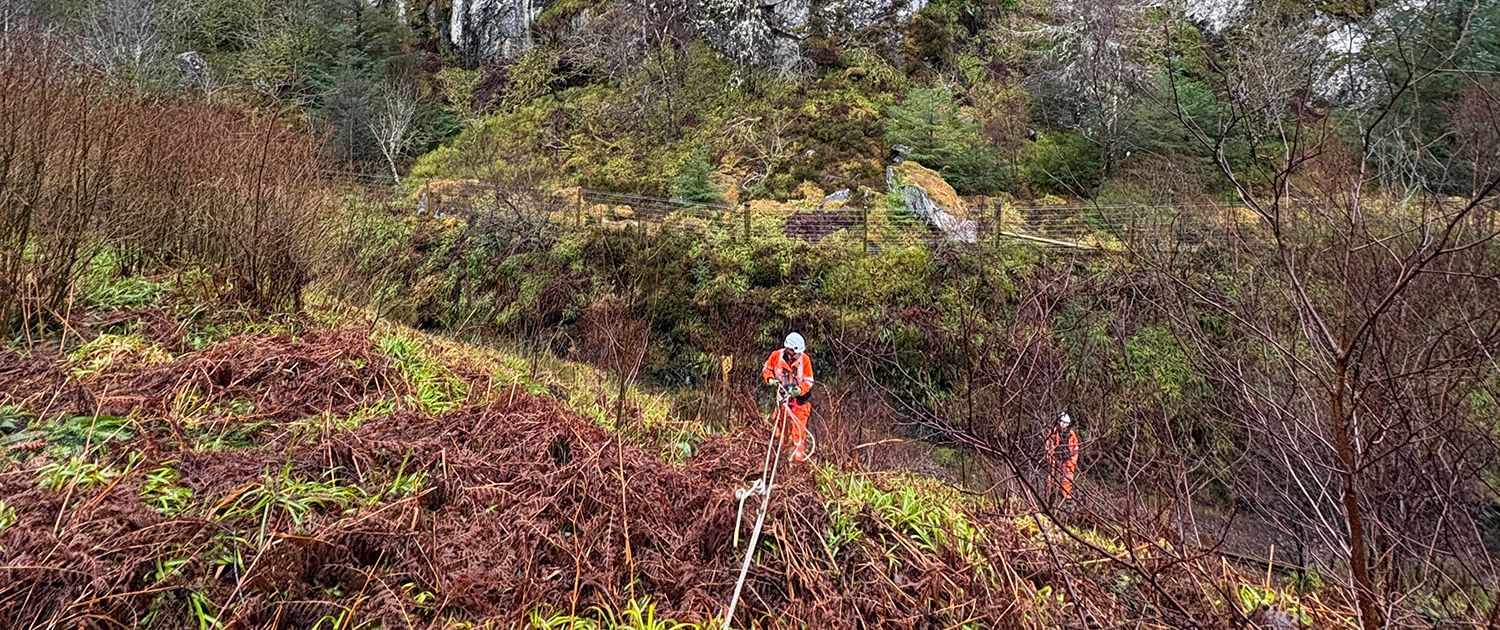
Cuttings and embankments are the backbone of the running line, and the asset class most likely to surprise an operator.
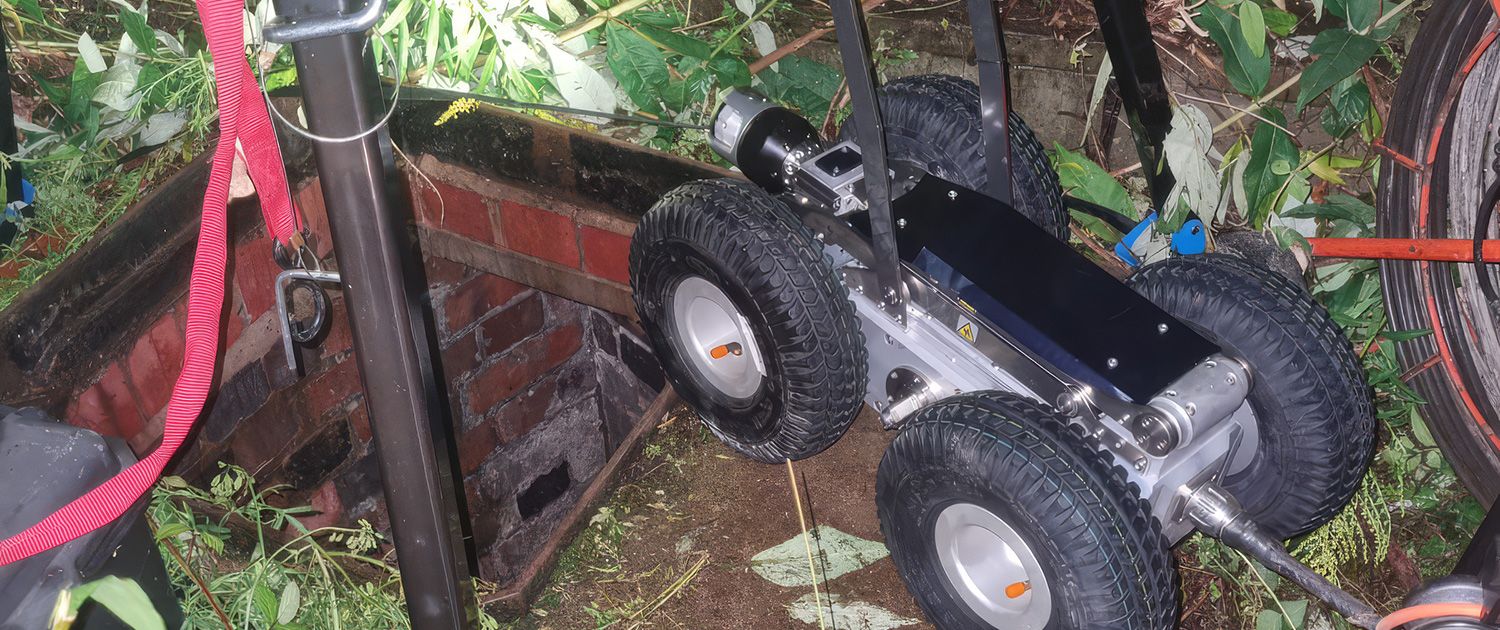
When a drain blocks, scours or fails, the cost cascades: track flooding, station damage, embankment instability, possession knock-ons.
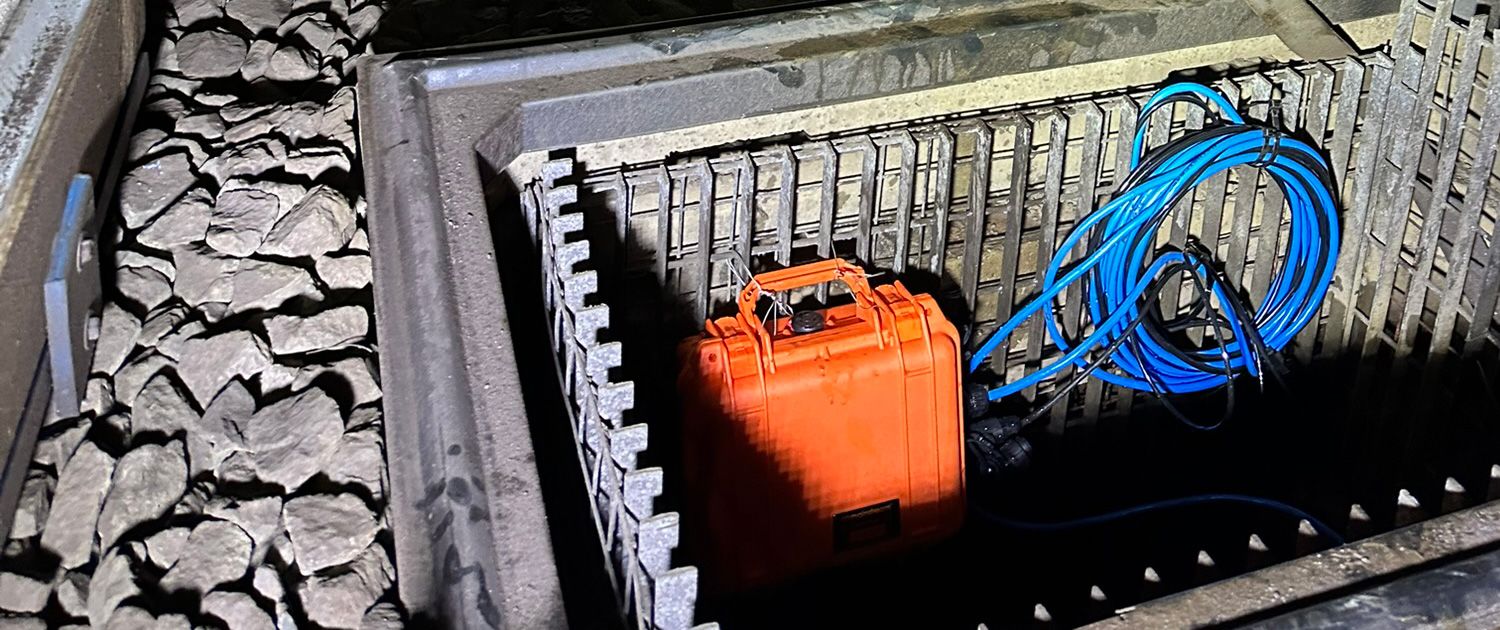
Culverts are the asset class most likely to flood, scour or fail under climate-driven peak rainfall, and the asset you can’t see when it matters most.
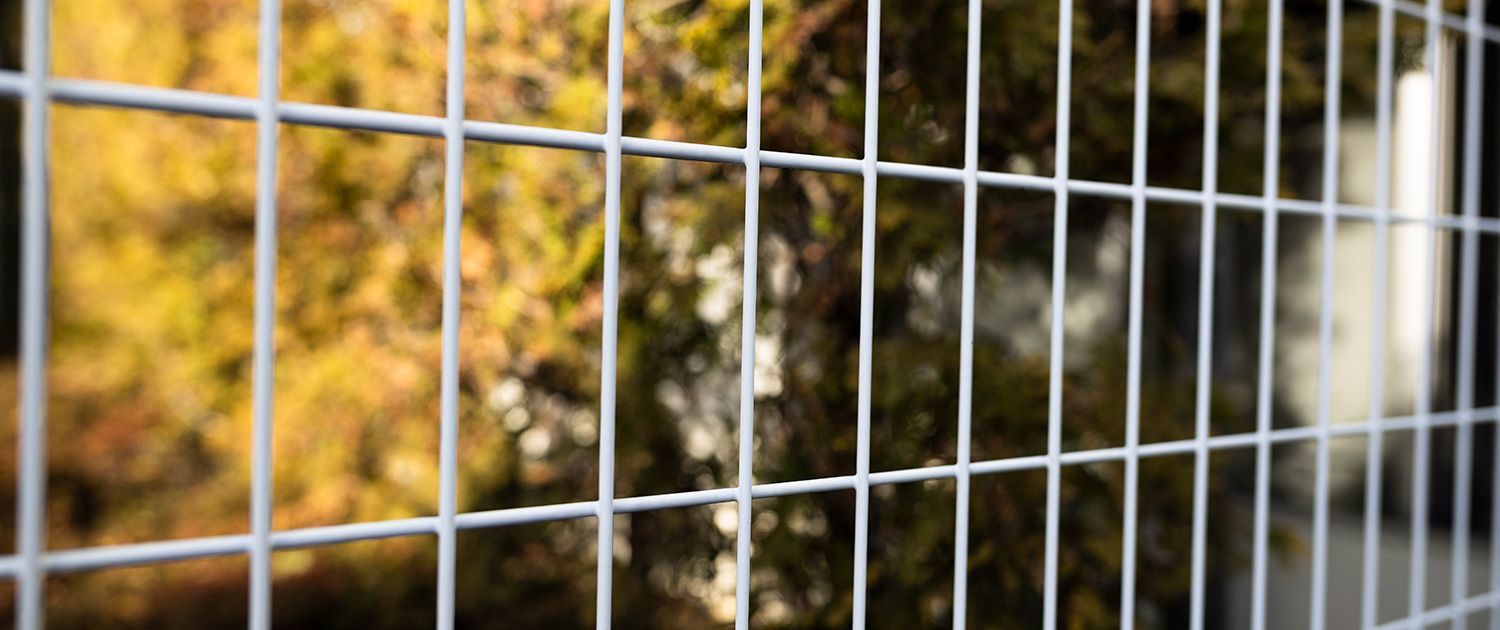
The railway boundary is the legal and operational line between safe operation and risk. Trespass, stock incursion, deer strike and anti-throw protection all land on the route asset manager’s desk eventually.
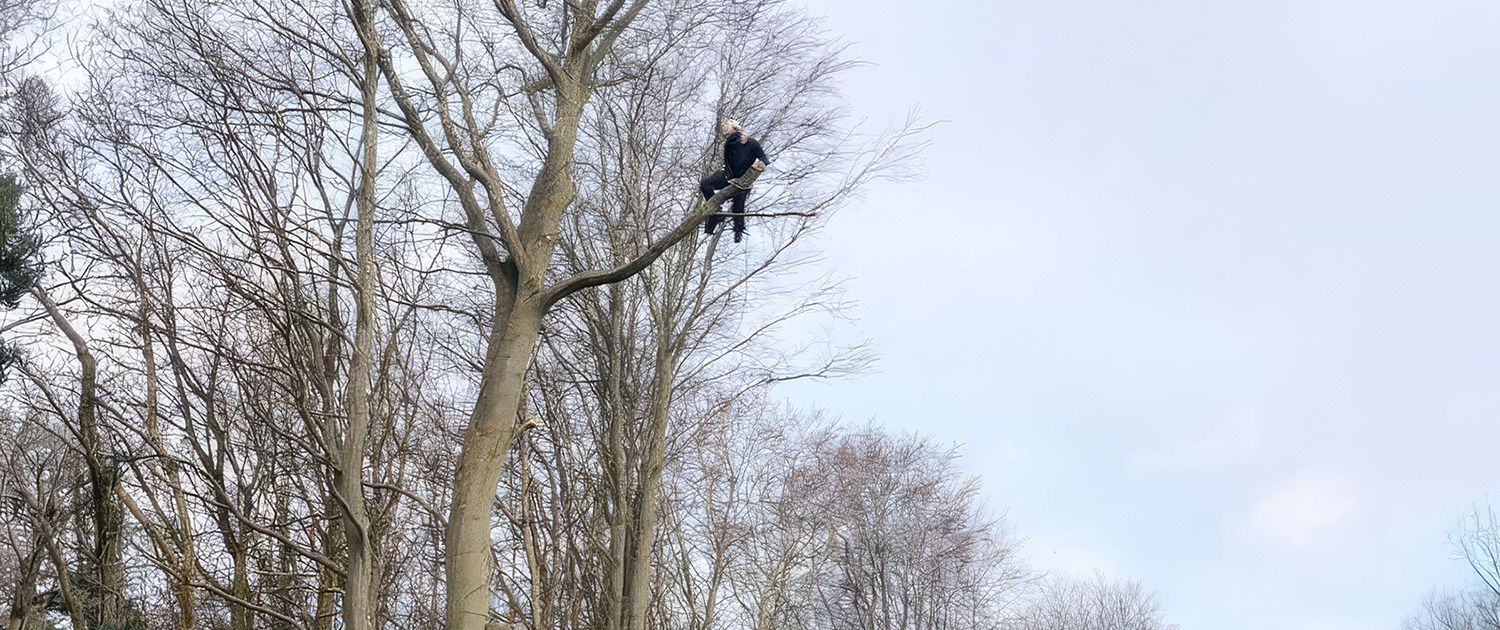
Lineside vegetation drives more operational risk than most asset classes: leaf fall on the running line, sightline obstructions for signalling, encroachment into clearance envelopes, and storm-damaged stems waiting for the next gale.
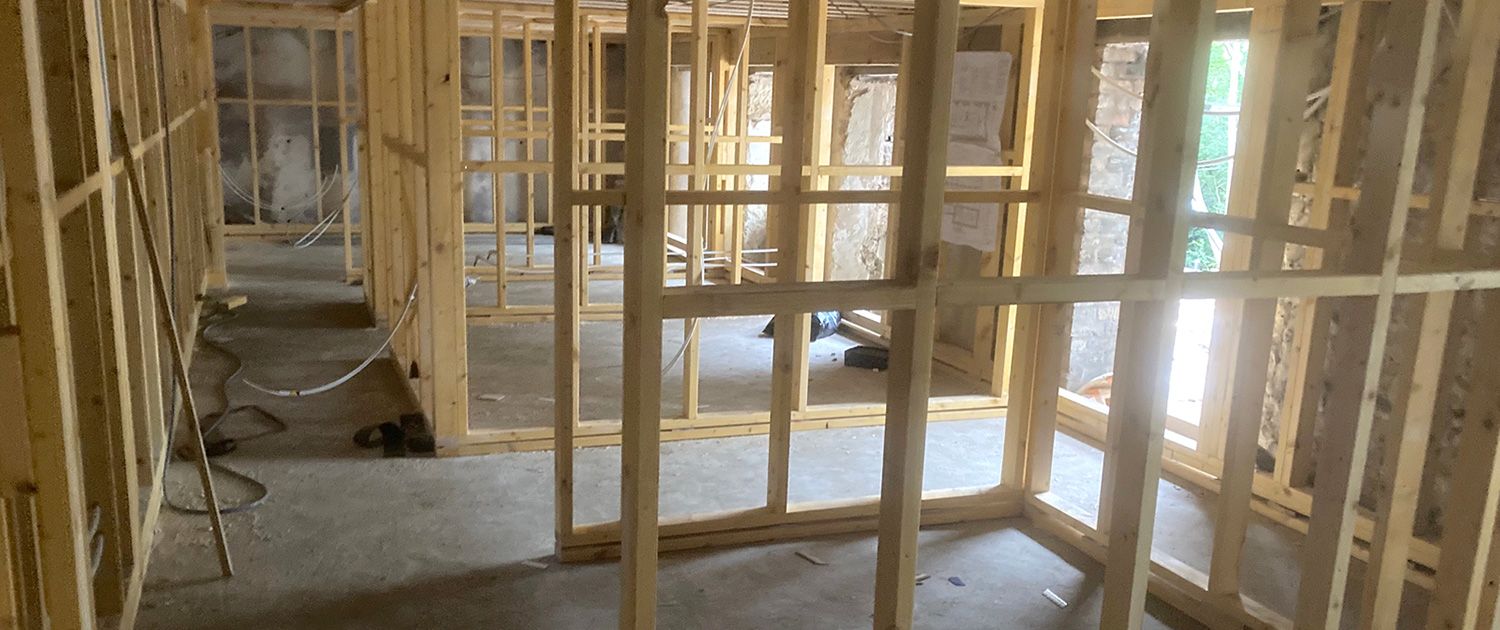
Most examination work ends with a report and a punch list.
Accredited where it matters.
Tactile, detailed and defensible structures examinations across rail and highways.
An examination is only as valuable as the engineering judgement applied to its findings.
The detailed examination is where defects are found, recorded and triaged.
Highway structures live under the same scrutiny as rail; they just answer to a different standard.
Railway buildings wear in ways that bridges and culverts don’t.
Tunnels and shafts are unforgiving assets: restricted access, limited possession time, complex defect modes.
When a structure sits below the waterline, the evidence you act on is only as good as the people in the water.
Finding the defect is one thing. Designing the fix, getting it through Network Rail engineering acceptance and handing the contractor a buildable solution is another.
Most structures examinations end in the air: at the top of a viaduct pier, hanging under a soffit, on the lining of a tunnel.
Most confined-space contractors operate at the low-risk end of the spectrum.
When access is impossible, the asset is offline, or the data has to be survey-grade, drones change what is possible.

36-arch operational railway viaduct. Combined terrestrial laser scan & UAS photogrammetry.

Under the esteemed Network Rail CEFA (Civil Engineering Framework Agreement) contract.

Verified & Audited
This signifies that our company has undergone rigorous evaluations and assessments to validate compliance with the stringent quality, health, safety, and operational standards required in the UK rail industry.
“Our unwavering commitment to the highest safety standards, ensuring that every railway project we undertake prioritises the well-being of both our workforce and the wider public.”
Steve Lock
Business Director